about the book
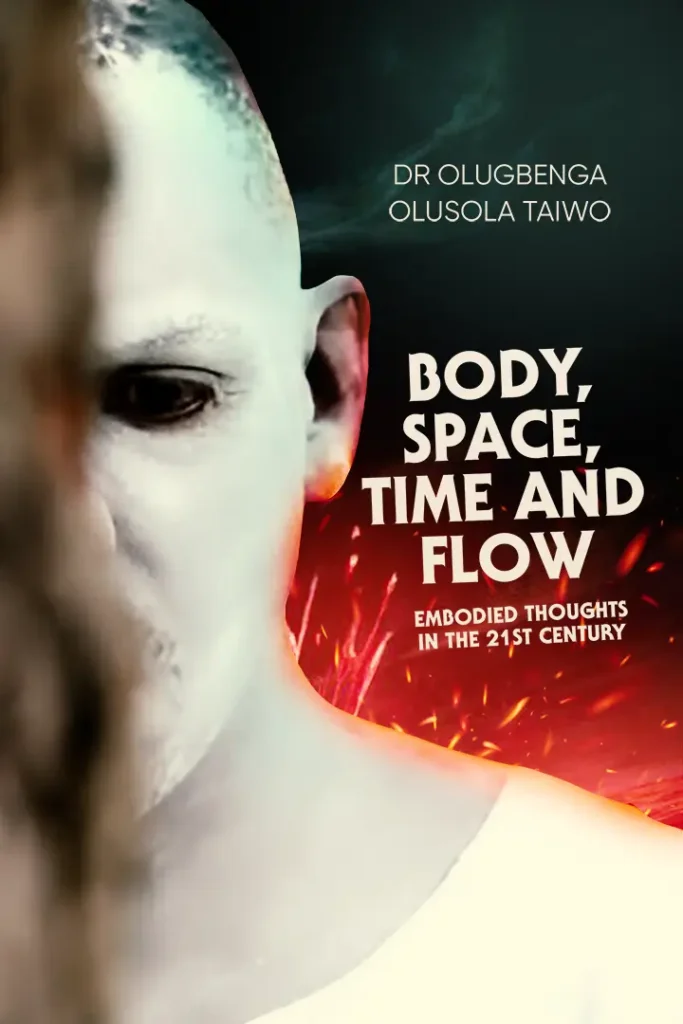
This important book by Dr. Olu Taiwo explores identity, the arts, and spirituality. It makes you think about how digital technology connects with cultural traditions. The book is written in a personal and research-based way, sharing Dr. Taiwo’s experiences with movement, performance, and different cultures.
This book is based on more than ten years of research and experience. It includes essays that were first published online in the Body Space & Technology journal between 2011 and 2022. These essays are put together to tell a clear and connected story. The book looks at how African spoken and written traditions, digital media, and artistic performances are linked. It also talks about how the transatlantic slave trade affected movement styles around the world. The book shows how West African traditions have shaped modern dance styles like capoeira, Hip Hop, Afro-Brazilian and Cuban dance, and Samba.
This book is about how performance art has changed in a world where computers and technology play a big role. It asks important questions about how people show their culture through dance, music, and visual art in the digital age.
Key Themes
1. The Return Beat and Cultural Time Perception
One big idea in this book is how different cultures think about time. Dr. Taiwo compares Western time, which moves in a straight line, to African time, which moves in a curve. He talks about the “Return Beat,” a rhythm that shows how African traditions flow. This idea is like a symbol for how cultures stay strong and change over time. It also shows how history and spirituality shape art and music.
2. Yoruba Spirituality and Movement
Dr. Taiwo explains the Yoruba religion in detail. He talks about the Orishas, who are spiritual beings that represent nature, and Olodumare, the highest god. He also describes Ashe, the special energy that gives life to everything. He shows how this idea connects to movement and art. His discussion helps us see how African traditions still influence modern art and performance.
3. Performance, Identity, and the Digital Age
Dr. Taiwo looks at how technology changes who we are and how we create art. He studies how the human body connects with online performance spaces. He also asks how digital characters and interactive media change the way artists perform and how people watch and enjoy art.
He looks at art in a new way using ideas about space and creativity. He talks about old ideas of shapes and space and adds new ideas about how digital worlds and online characters (avatars) can also be part of art.
4. Transcultural Influences in Dance and Movement
The book talks about how African dance traditions travelled to Europe and America and became part of their dance styles. It shows how enslaved Africans brought their dance moves to new places, and those moves influenced dance all over the world. From capoeira in Brazil to hip hop in New York, these dances still remember where they came from while changing and growing in new places.
Dr. Taiwo, who practices T’ai Chi Ch’uan, connects Chinese spiritual practices with African traditions. He highlights how movement can be a way to learn and express oneself, showing that this idea is the same in many cultures.
Structure of the Book
The book is made up of different essays, with each one talking about a specific topic related to performance, identity, and technology. Dr. Taiwo uses different ways of telling the story. At the beginning and end of each chapter, he writes like a teacher explaining things. But in the main parts of the chapters, he writes in a personal way, sharing his own thoughts and experiences. This style helps readers connect with both the ideas and the personal side of his work.
The chapters are organised around two main ideas: Creative Dimensionality and Artistic Dimensions. These ideas help us understand how movement, space, and art connect. Each chapter focuses on a different artistic dimension, giving us a clear but flexible look at the important ideas in the book.
Who Should Read This Book?
This book is excellent for:
- Students and scholars studying performance, dance, and theatre.
- Artists and creators who want to explore how movement, identity, and digital technology connect.
- Researchers in cultural studies, African studies, and digital humanities.
- Anyone curious about how different cultures influence modern art and performances?
With its broad approach, the book is helpful for anyone wanting to learn more about how performance, spirituality, and technology come together in the past and today.
Dr. Olu Taiwo’s book is an important addition that talks about identity, performance, and digital culture. He mixes traditional African movement ideas with modern digital practices, showing a new way of thinking about space, time, and art. Whether you are a student, an artist, or just interested in how performance is changing, this book gives helpful ideas about how the body, culture, and technology are connected.