about the author
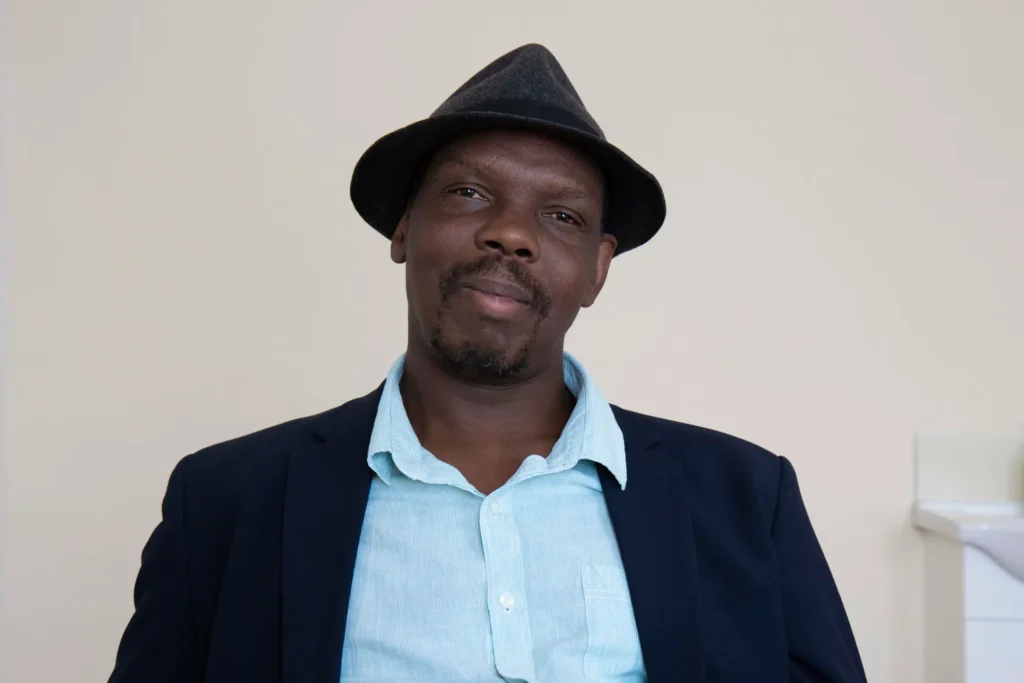
Dr. Olu Taiwo is a respected teacher and Associate Professor at the University of Winchester. He teaches different subjects like Acting, Street Arts, Visual Development, and Contemporary Performance. He uses a mix of real-life and online methods to help students learn in a fun and engaging way.
Dr. Taiwo has a lot of experience in Fine Art, Street Dance, African drumming, physical theatre, and martial arts. He has made important contributions to the study of performance. His knowledge goes beyond regular school subjects, making him a leader in research that mixes different subjects and hands-on practice.
Academic and Professional Background
Dr. Taiwo’s studies are based on a broad understanding of performing arts and visual culture. His work looks closely at how movement, identity, and technology connect, and how actions in performances show and affect cultural stories. By combining art with deep thinking, he has created a way to study the connections between ‘effort,’ ‘performance,’ and ‘performing actions’ in different artistic and social settings.
He has made many contributions through performances, research papers, and public talks, showing his dedication to pushing forward conversations about performance, digital technology, and how we act. He has helped shape how research methods can be used to study performances in both real and digital spaces, especially focusing on the role of the body in a world that is more and more controlled by computers and algorithms.
Research and Practice
Dr. Taiwo is really interested in how the body, identity, audience involvement, street performances, and digital technology all connect. His research looks at how these things work together in today’s world, focusing on important issues of the 21st century, especially how performance is changing with digital technology.
A main idea in his work is the difference between different ways of doing research in the creative arts, like ‘Practice as Research,’ ‘Practice-Based Research,’ and ‘Practice-Led Research.’ His studies look at how these methods help create new ways of making art that show how people interact and express themselves in new ways.
Contributions to Performance and Digital Humanities
Dr. Taiwo has made a big impact in the field of ‘Digital Research in the Humanities and Arts’ (DRHA), which is a group of universities from around the world studying how digital technology connects with art. His research helps us understand how new digital tools affect performances, storytelling, and cultural identity.
He has been working as a scholar for more than ten years, writing for the online journal Body Space & Technology. In his articles, he has explored ideas about digital performance, how we understand space, and how culture shows in our bodies. His hard work has led to a collection of essays that show how his thoughts and ideas have changed over time, especially about how art is changing in the digital world.
Key Concepts in His Work
In his new book, Dr. Taiwo explains two important ideas—Creative Dimensionality and Artistic Dimensions. These ideas are key to understanding his work.
- Creative Dimensionality – This idea goes against traditional ways of making art by adding interactivity and digital effects. It uses ideas from math, philosophy, and modern digital thinking to expand how we think about art. It looks at how digital avatars and interactive spaces are part of art. Creative dimensionality offers a way to study art today that is both organised and flexible.
- Artistic Dimensions (AD)—Unlike methods that focus on measurements, artistic dimensions are used to describe and understand a performance from the performer’s point of view. This way of looking at things highlights how people experience and express art, helping us think about movement, rhythm, and digital interaction in performances. Dr. Taiwo includes these artistic dimensions in every chapter of his book to explore different parts of creative expression.
The Intersection of Culture, Spirituality, and Performance
Dr. Taiwo’s work looks at different cultures, philosophies, and religions. He studies how ideas from both Western and African cultures affect how people perform and express themselves.
He studies the Yoruba tradition and how it affects modern dance styles. He looks at the Yoruba religion, especially the Orishas, Olodumare (the highest god), and the idea of Ashe, which is the energy that gives life to everything in the world. He shows how the Yoruba beliefs and practices have influenced dances like capoeira, samba, and hip hop.
His research also looks at how Eastern philosophies compare, especially his practice of T’ai Chi Ch’uan. By comparing African and Chinese movement ideas, he finds a deeper understanding of how physical movements help in making art and shaping personal identity.
Autoethnographic Approach
Dr. Taiwo’s book uses a style that mixes personal stories with academic ideas. This way, he takes readers on a journey where real-life experiences are linked with theories. He switches between talking about things from a distance in third person for bigger discussions and sharing personal thoughts and ideas in first-person, including things he has written before.
He combines his personal history, ideas about culture, and thoughts on technology to tell a story that connects with artists, scholars, and workers in the field. His work questions traditional ways of learning and encourages a more flexible and hands-on approach to research and making art.
Legacy and Influence
Dr. Taiwo has an impact in many areas, including teaching, research, and performance. His creative ideas and research inspire new artists and students, helping them understand how performance, technology, and cultural identity are connected and changing.
He has created a special place in modern performance studies by looking at how art, spirituality, and digital media connect. His work helps improve academic discussions and gives useful advice to performers who are dealing with the challenges of a more digital world.
Conclusion
Dr. Olu Taiwo’s work shows how powerful it can be to mix different types of research and art. By combining performance, technology, and cultural studies, he gives a complete view of how art is changing. His work in both teaching and the arts is helping people talk about important ideas like identity, the way we express ourselves, and creativity today.